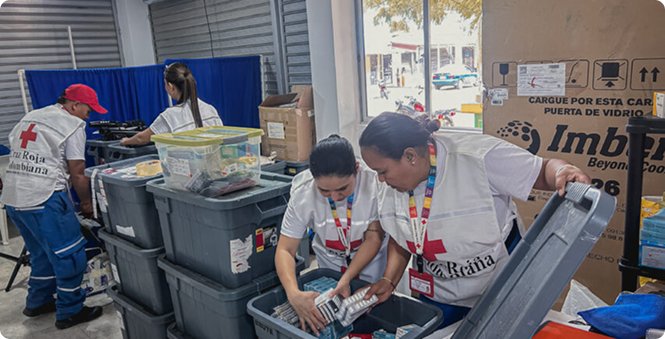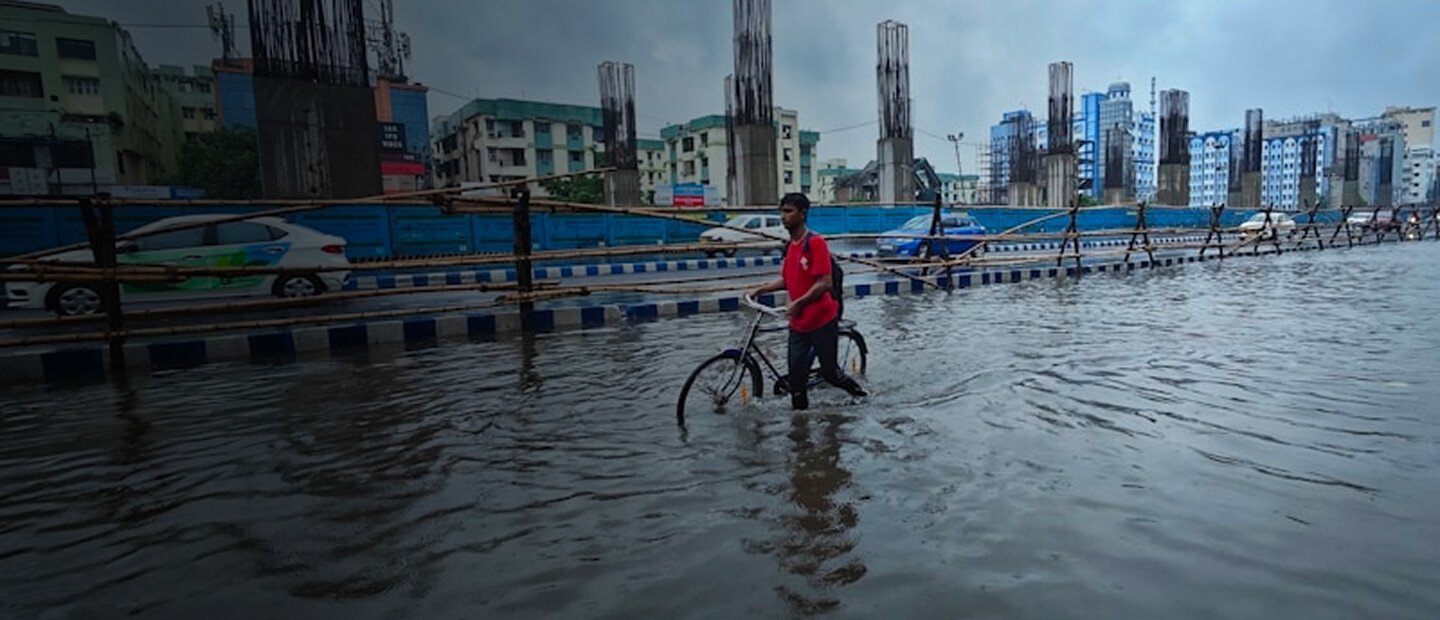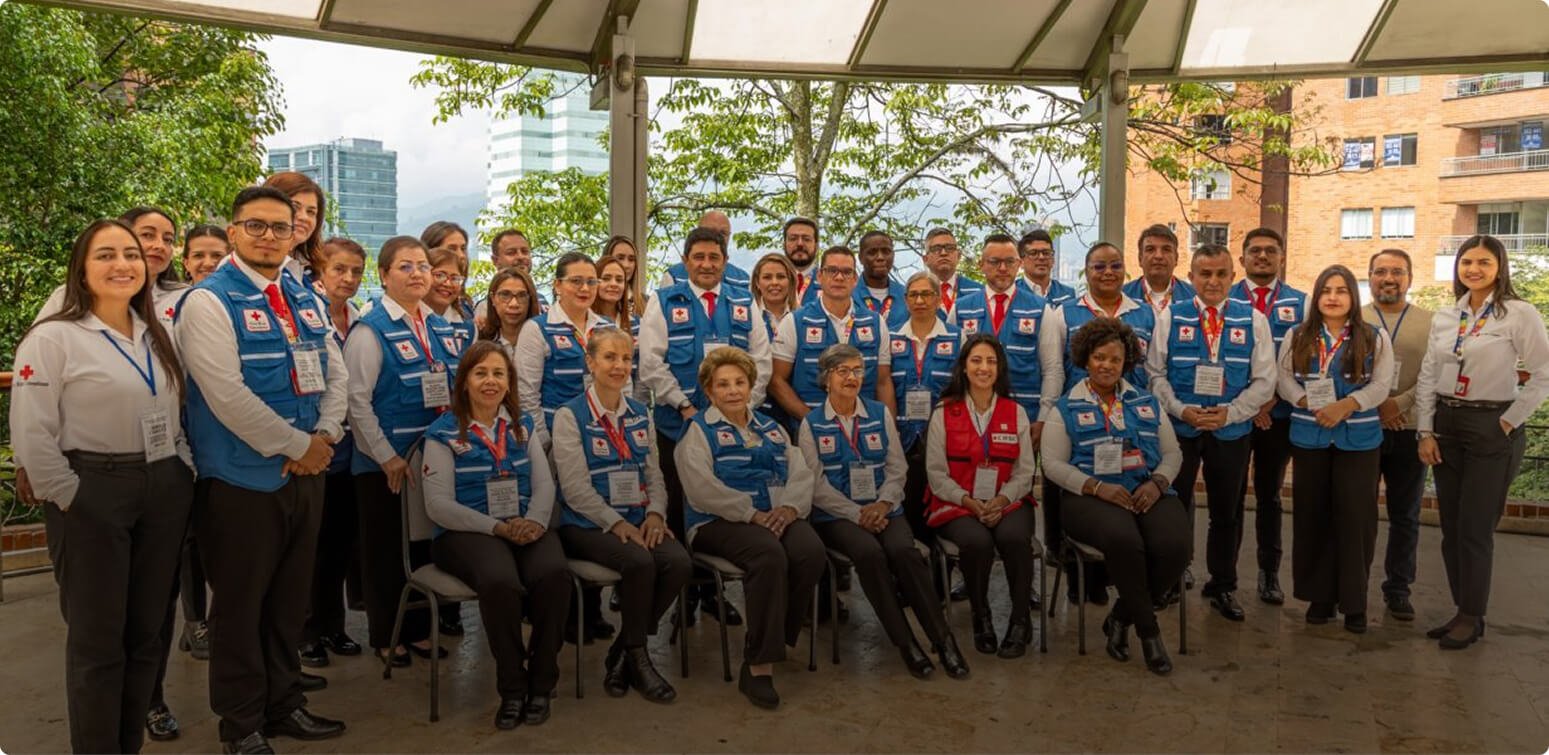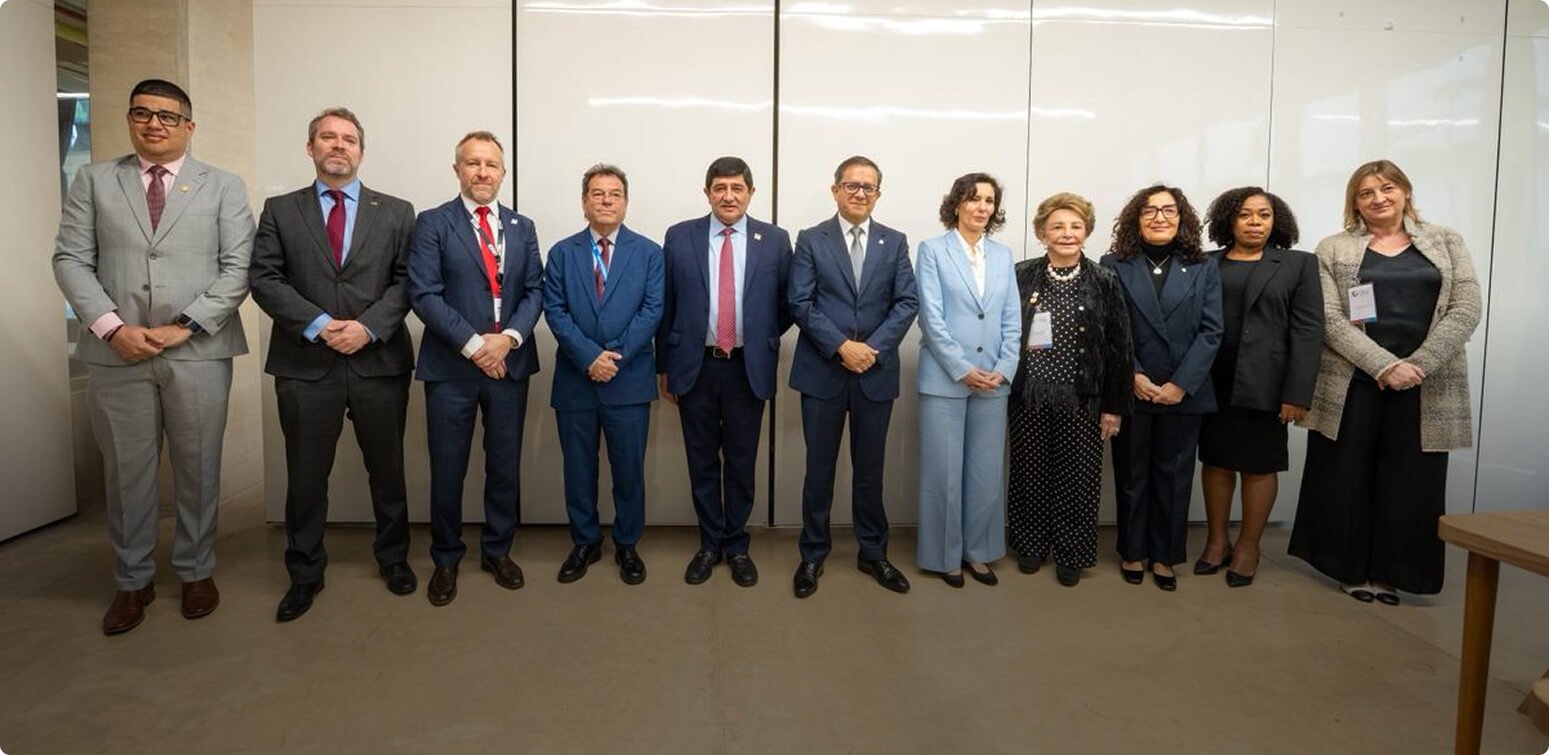
The Red Cross and the EU are promoting local humanitarian investment in Latin America.
The Red Cross, the IFRC, and ECHO are focusing their humanitarian efforts at the local level. The meeting in Bogotá highlights the need to strengthen

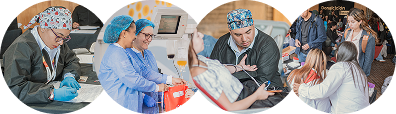
Whole blood donation is the extraction of blood with all its components. It is a safe and simple procedure that takes approximately 30 minutes, during which the extraction process lasts 7 to 8 minutes. The volume extracted is 450 ml of blood.
• One donation can save three lives
• Blood cannot be manufactured; the only source is through human beings
• Blood donation is a safe and painless act
• Blood donation is considered a healthy lifestyle
• It is a quick and safe way to help others
• Donation is altruistic, supportive, and responsible
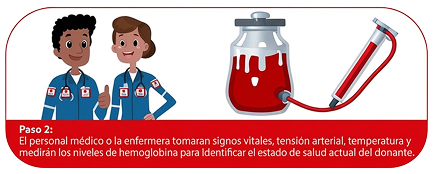
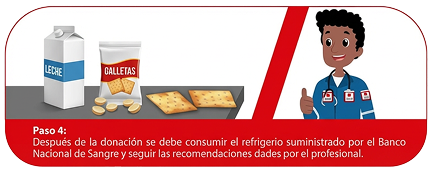
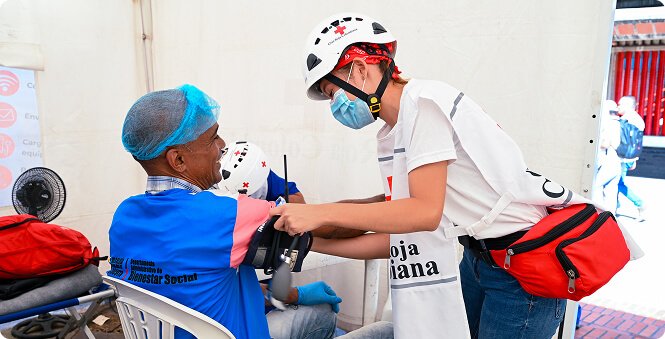
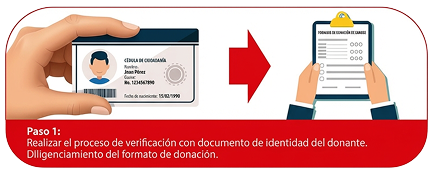
The steps for blood donation aim to provide good care and reinforce the safety of both the donor and the recipient.
• Donating blood does not cause weight gain or weakness; on the contrary, organs receive young blood as new cells are produced—red blood cells that carry fresh oxygen.
• Blood flows better. With donation, blood flows in a less harmful way to the lining of blood vessels. This means less arterial blockage and lower risk of heart attack and stroke.
• Improves circulation, allowing greater oxygenation of body tissues
• Commonly used for patients receiving organ transplants, bone marrow transplants, burn treatments, or those who have been in car accidents. Cancer patients are among the most common blood recipients.
• Inability to produce enough blood. Some diseases and treatments can negatively affect the bone marrow’s ability to produce blood; for example, chemotherapy reduces the production of new blood cells.
• Weigh more than 50 kg
• Age: 18 to 65 years
• Carry a photo ID
• Be in good health
• Have consumed food within the last 4 hours
• Wait 12 months if you have had tattoos or piercings
• Wait 1 month if you visited endemic areas
• Men can donate every three months and women every six months
What is apheresis donation?
Apheresis donation selectively collects one or more blood components while returning the remaining components to the donor. For example, only platelets can be donated while red blood cells and plasma are returned. It is an efficient and safe way to donate.
Why donate by apheresis?
Patients requiring transfusions must receive different blood components based on their needs (platelets, plasma, or red blood cells), and apheresis donation provides flexibility to respond specifically to these needs and helps ensure that patients receive the specific component for their treatment and recovery.
Apheresis donation is more precise, efficient, and can save more lives; additionally, this system allows for more frequent donations.
The donor’s blood is processed in a machine (cell separator) that separates the different components by centrifugation according to the weight and density of each one. Platelets or red blood cells are separated and directed to a collection bag, while the other components are returned to the donor.
As with all donations, new, disposable, sterile, and non-reusable material is used in each procedure, which guarantees donor safety.
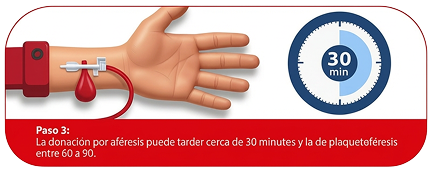
Apheresis donation can take between 30 minutes for erythrocytapheresis and between 60 to 90 minutes for plateletpheresis; the donor can relax watching TV, listening to music, reading, and is helping to save lives.
The steps for blood donation aim to provide good care and reinforce the safety of both the donor and the recipient.
For the patient:
• Allows transfusion of a larger quantity of platelets from a single donor, reducing exposure to the risk of infections, antibody development, and allergic reactions.
• One apheresis donation can equal 6 to 18 normal donations.
For the donor:
• Only platelets are extracted while the rest of the components are returned to the donor.
• You can donate platelets once a month; a traditional donation can be made every 3 to 4 months.
• They are transfused to patients with leukemia, cancer, transplants, surgical procedures, and other conditions.
• Platelets only live 5 days, so a permanent stock of them is needed.
• They are the same as for a conventional whole blood donation.
• Verify that the last blood donation was made 2 months prior.
• Do not take aspirin in the last 5 days.
RS3400 Irradiator
The RS 3400 model from Rad Source Technologies™ is a self-shielded cabinet-type X-ray irradiator used in blood banks to reduce the risk of transfusion-associated graft-versus-host disease (TA-GVHD). It is a high-tech medical device developed to combat transfusion-related graft-versus-host disease (GVHD).
The RS3400 equipment eliminates the risk of GVHD associated with blood transfusion through irradiation of blood components. It is reliable, versatile, and self-contained equipment.
Features
It has 3 vessels with a capacity of 1 liter with an irradiation cycle of 280 seconds, 4.67 minutes
Central Dose Rate 5.5 Gy/min
Radiation is energy in the form of waves or particles. The nature of our radiation is X-rays. The intensity of radiation depends on the photon flux, which we measure in units of Gy/min.
The components to be irradiated are RBCs, platelets, and apheresis products.
It is used with an indicator strip, which is used during the process and confirms that the component has been irradiated.
USEFUL LIFE The manufacturer has established that the expected useful life of the RS3400 irradiator device is 15 to 16 years. The start of this period is determined by the installation date of the device. The determination of the unit’s useful life, as well as that of electronic and mechanical components, is based on the unit’s hours of use.
Service seven days a week, 24/7
Indications
• Reduce the risk of bacterial, viral, and parasitic infections transmitted by transfusion. Prevent CMV infection.
• Prevent graft-versus-host disease
• Prevent non-hemolytic febrile reactions and HLA alloimmunization
Pathogen Reduction
It is a post-collection processing that reduces the risk of certain transfusion-transmitted infections (TTI). Pathogen reduction technologies employ a combination of ultraviolet light irradiation and photosensitizers to damage pathogen nucleic acids, preventing their replication and growth.
Riboflavin/UV treatment inactivates a broad spectrum of viruses, gram-positive and gram-negative bacteria, spirochetes, and parasites. It also inactivates residual leukocytes. Bacillus cereus spores have shown resistance to this process, as have prions.
Briefly, the inactivation procedure consists of adding riboflavin (vitamin B2) to the blood component (plasma or platelet product), which is transferred to a bag and placed inside a device for UV light illumination.
The added riboflavin is not removed from the blood component but remains in it; for this reason, platelet and plasma products take on the yellow color of riboflavin and direct light exposure should be avoided. Treated platelets are then taken to storage at 20-24°C under continuous agitation for up to 5 days after collection.
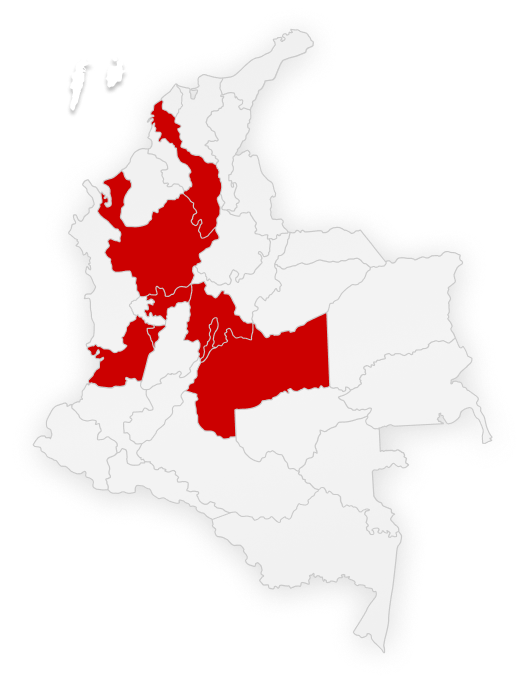
The National Blood Bank of the Colombian Red Cross is a business unit that promotes the culture of responsible and voluntary blood donation, with the purpose of collecting, processing, and distributing blood components in the country. Additionally, it is part of the national blood system and the network of banks of the Colombian Red Cross National Society in the cities of Armenia, Bogotá, Cali, Cartagena, Manizales, Medellín, Barranquilla, Ibagué, and Villavicencio.
Regional Bank
Medellín, Antioquia
Av. Cra. 68 # 68B – 31
Hours: Monday through Friday, 8 a.m. to 5 p.m. Saturdays, 8 a.m. to 4 p.m.
Regional Bank
Cartagena, Bolívar
Cll. 30 # 44D – 71 Barrio España
Hours: Monday through Friday, 8 a.m. to 5 p.m. Saturdays, 8 a.m. to 12 p.m.
Regional Bank
Villavicencio, Meta
Cra. 30 # 39 – 30 Piso 3
Hours: Monday through Friday, 8 a.m. to 5 p.m.
Regional Bank
Itagui, Antioquia
Cra. 52 # 52 – 63 Local 131
Hours: Monday through Saturday, 9:30 a.m. to 12 p.m. and 1 p.m. to 4:30 p.m.
Regional Bank
Medellín, Antioquia
Cra. 52 # 25 – 310
Hours: Monday through Friday, 7 a.m. to 6 p.m. Saturdays, 7 a.m. to 4 p.m.
Regional Bank
Armenia, Quindío
Av. Bolivar # 23 Norte 60
Hours: Monday through Friday, 8 a.m. to 6 p.m. Saturdays, 8 a.m. to 12 p.m.
Regional Bank
Manizales, Caldas
Cra. 21 # 70A – 06 Ed. Hemocentro
Hours: Monday through Friday, 8 a.m. to 5 p.m. Saturdays, 8 a.m. to 12 p.m.
Regional Bank
Cali, Valle del Cauca
Cra. 38 Bis # 5 – 91 San Fernando
Hours: Monday through Friday, 8 a.m. to 7 p.m. Saturdays, 8 a.m. to 4 p.m.
Regional Bank
Villavicencio, Meta
Cra. 30 # 39 - 30 Piso 3
Hours: Monday through Friday, 8 a.m. to 5 p.m.
Regional Bank
Medellín, Antioquia
Cra. 52 # 25 - 310
Hours:
Monday through Friday, 7 a.m. to 6 p.m.
Saturdays from 7 a.m. to 4 p.m.
Regional Bank
Bogotá Cundinamarca
Av. Cra. 68 # 68B - 31
Hours:
Monday through Friday, 8 a.m. to 5 p.m.
Saturdays, 8 a.m. to 4 p.m.
Regional Bank
Itagui, Antioquia
Cra. 52 # 52 - 63 Local 131
Hours:
Monday through Saturday from 9:30 a.m.
to 12 p.m. and 1 p.m. to 4:30 p.m.
Regional Bank
Manizales, Caldas
Cra. 21 # 70A - 06 Ed. Hemocentro
Hours:
Monday through Friday, 8 a.m. to 5 p.m.
Saturdays, 8 a.m. to 12 p.m.
Regional Bank
Cali, Valle del Cauca
Cra. 38 Bis # 5 - 91 San Fernando
Hours:
Monday through Friday, 8 a.m. to 7 p.m.
Saturdays, 8 a.m. to 4 p.m.
Regional Bank
Cartagena, Bolívar
Cll. 30 # 44D - 71 Barrio España
Hours:
Monday through Friday, 8 a.m. to 5 p.m.
Saturdays, 8 a.m. to 12 p.m.
Regional Bank
Armenia, Quindío
Av. Bolivar # 23 Norte 60
Hours:
Monday through Friday, 8 a.m. to 6 p.m.
Saturdays, 8 a.m. to 12 p.m.
Learn about the service portfolio of the National Blood Bank of the Colombian Red Cross: certified processes, research, advanced technology, and safe distribution of blood components throughout the national territory.
Donating regularly helps maintain a stable supply for patients who need it most.

The Red Cross, the IFRC, and ECHO are focusing their humanitarian efforts at the local level. The meeting in Bogotá highlights the need to strengthen

Cities for Climate Action This project strengthens urban resilience in Neiva and Sincelejo through local initiatives that promote knowledge-sharing, coordinated decision-making, and the co-design of

The Red Cross, the IFRC, and ECHO are focusing their humanitarian efforts at the local level. The meeting in Bogotá highlights the need to strengthen

The beginning of the blood program of the Colombian Red Cross dates back to May 11, 1964, when thanks to the goodwill of Mr. Morist Gutt and his foundation, the equipment to begin operations at the National Blood Bank was donated.

In November 2008, we created the National Blood Bank Network to help improve health and life throughout the national territory, governed by the fundamental principles of the International Red Cross Movement.
At the Colombian Red Cross, we want to be close to you, especially when you feel anxiety, sadness, or stress. Additionally, if you have any concerns or complaints about our services, this space is open to listen and help you.