Cities for Climate Action
Cities for Climate Action This project strengthens urban resilience in Neiva and Sincelejo through local initiatives that promote knowledge-sharing, coordinated decision-making, and the co-design of

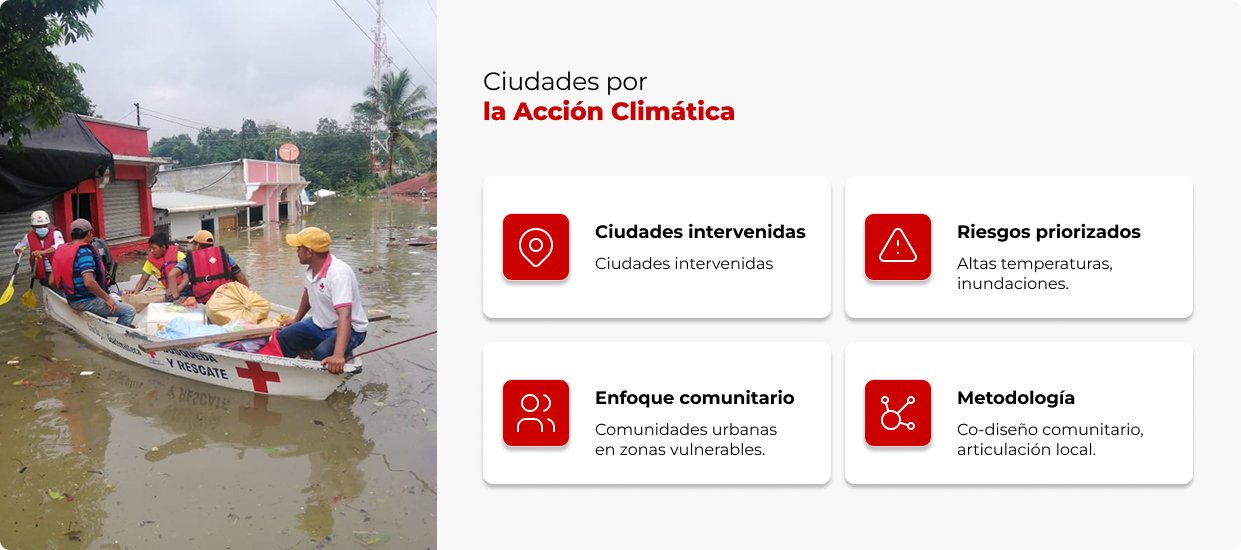
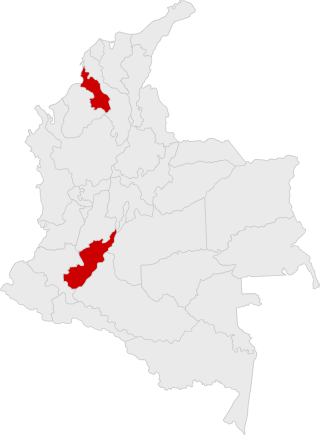
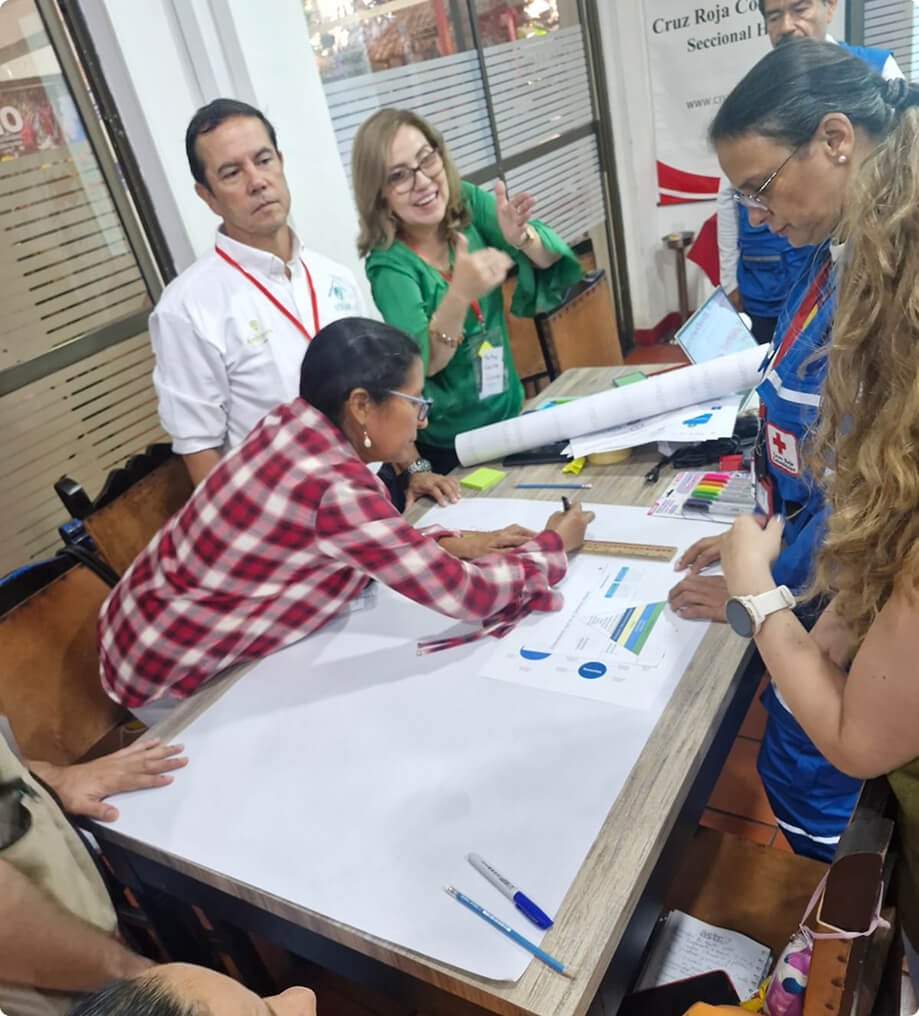
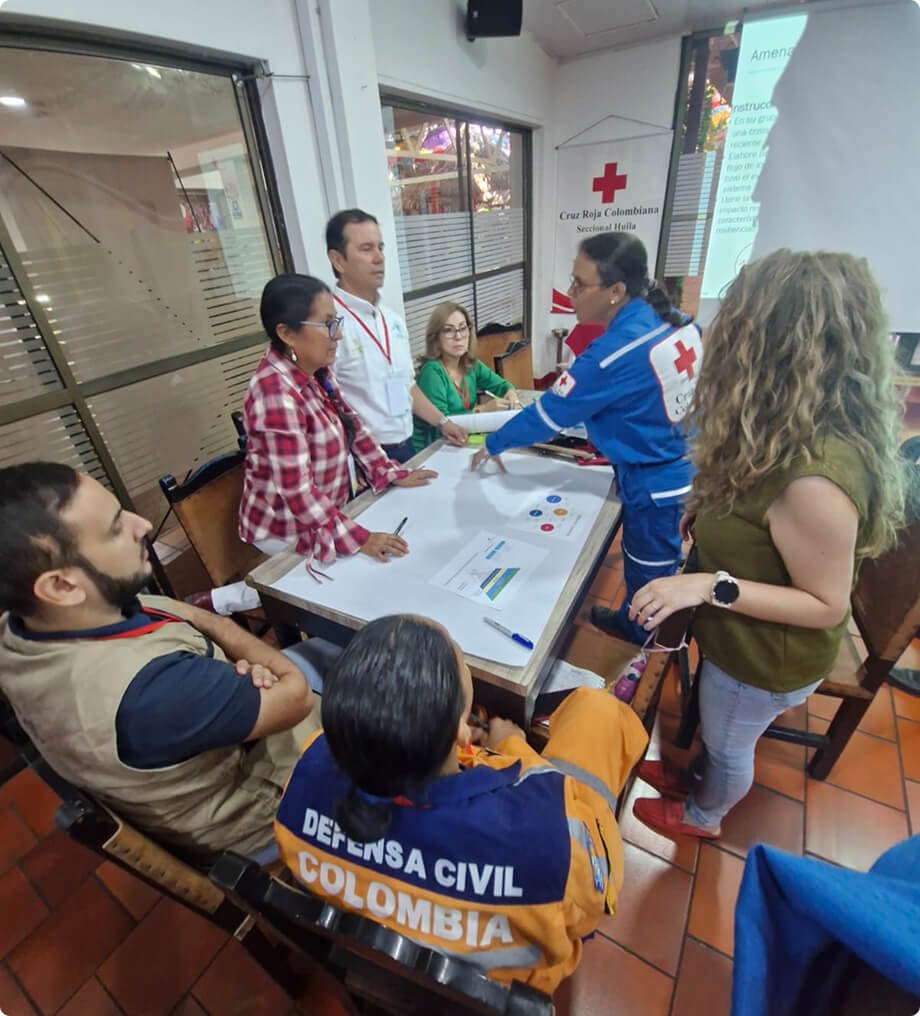
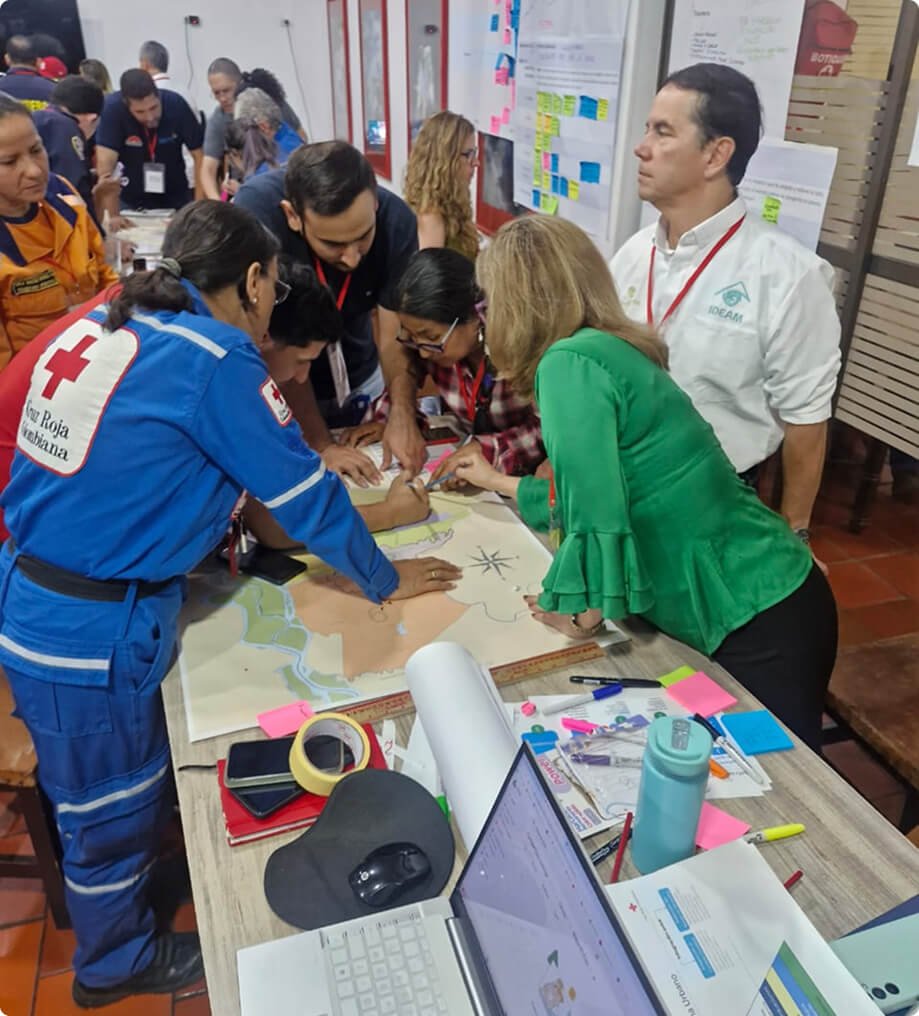
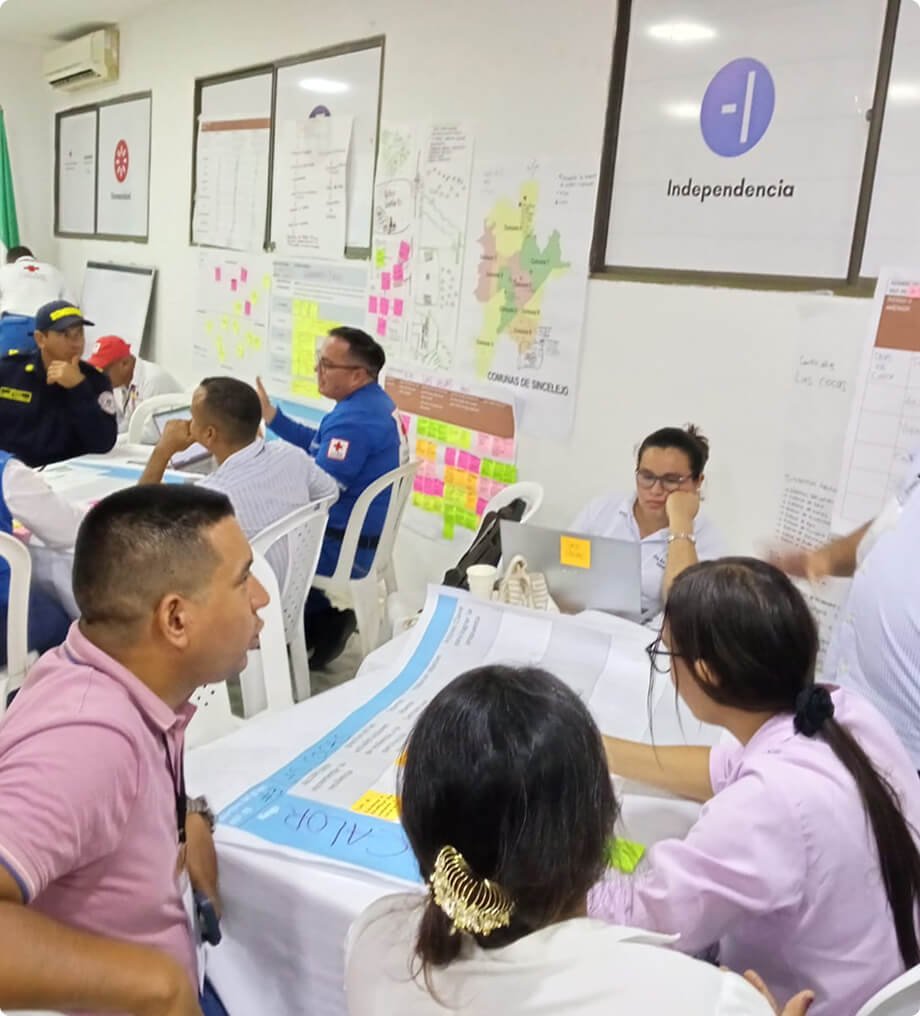
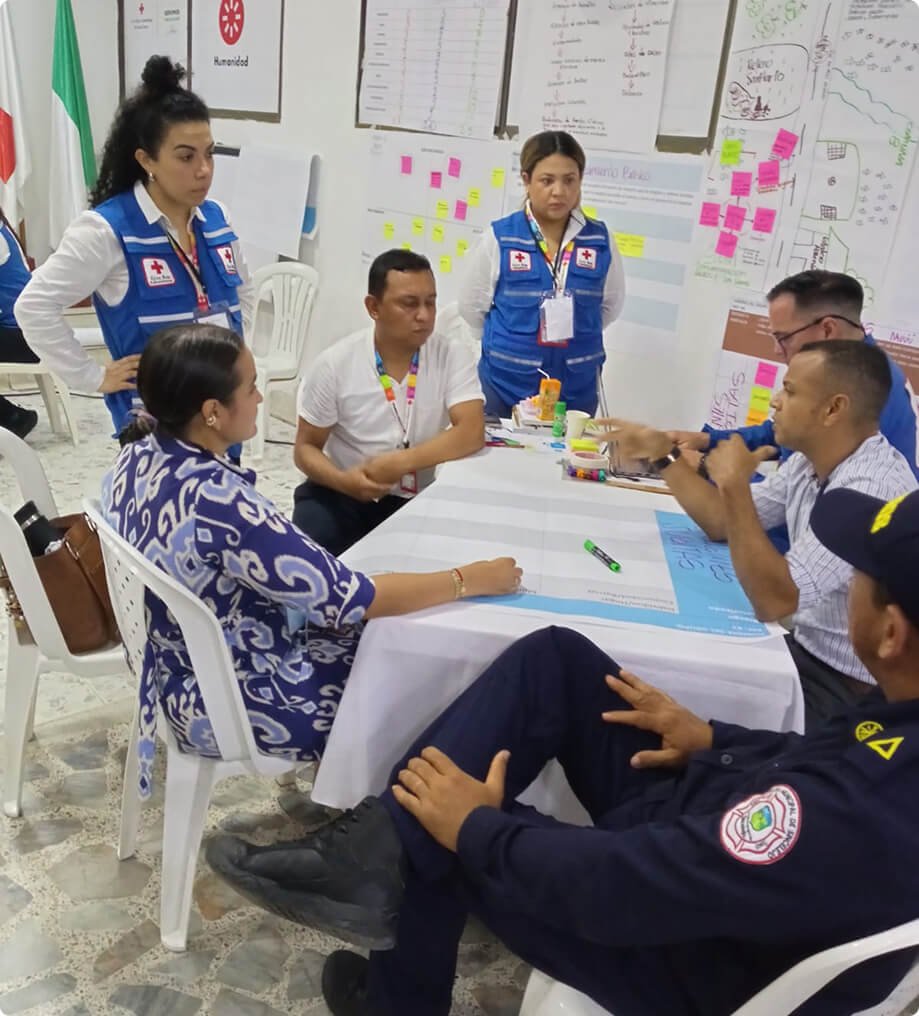
This project strengthens urban resilience in Neiva and Sincelejo through local initiatives that promote knowledge-sharing, coordinated decision-making, and the co-design of solutions to reduce vulnerability to high temperatures and flooding associated with climate change.
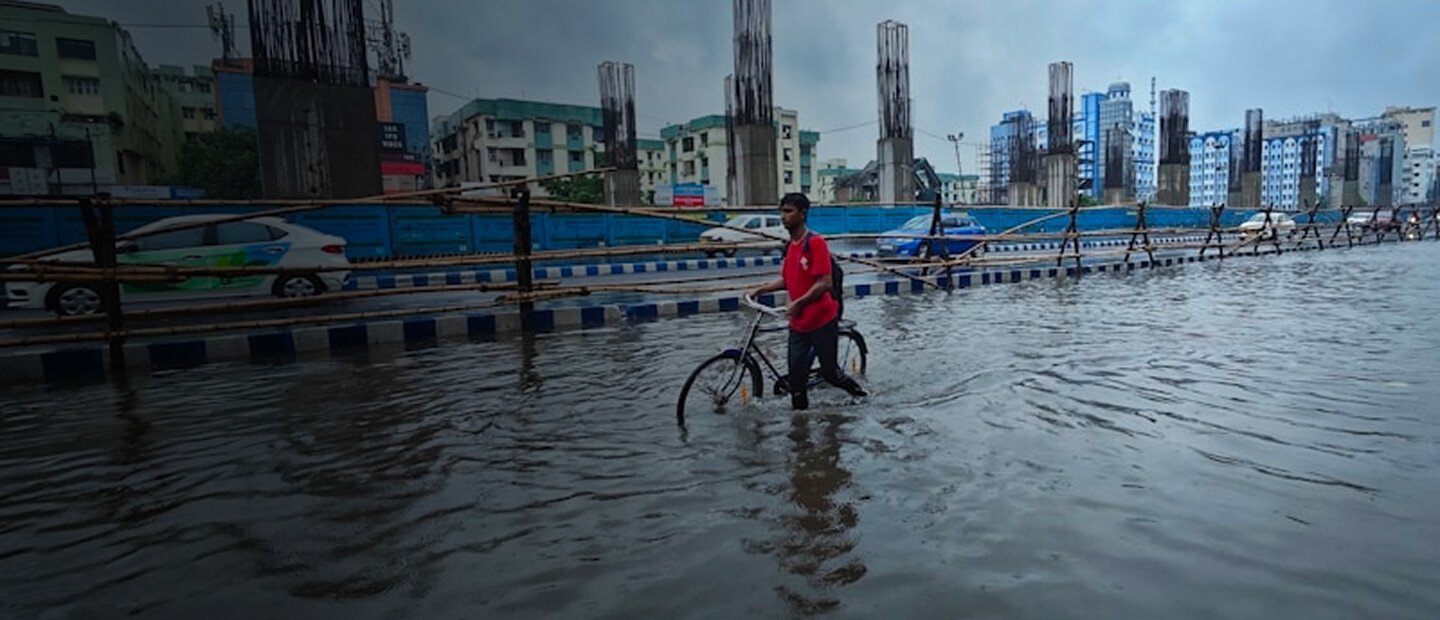
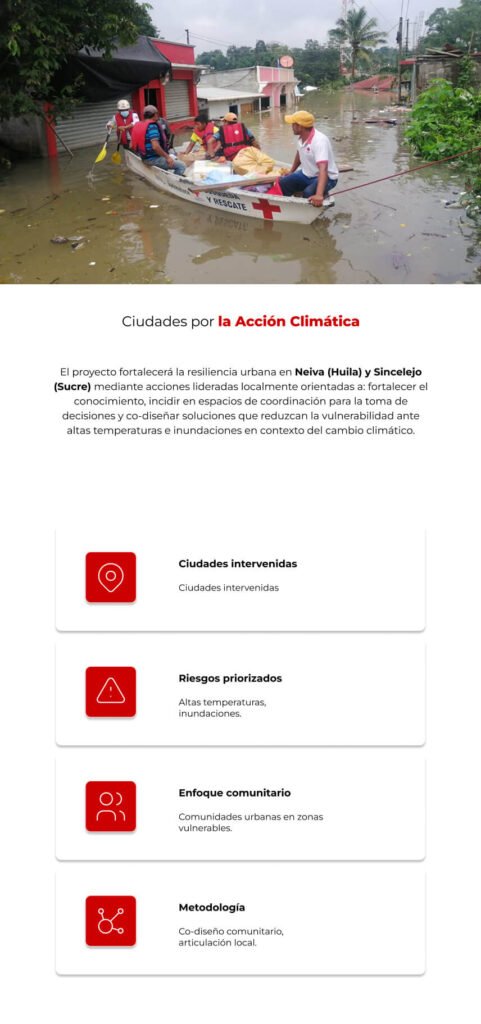
These cities are facing increasing vulnerability to climate change, particularly flooding and high temperatures, which are affecting public health, the economy, education, and ecosystems.
This situation is exacerbated by numerous shortcomings in political, social, economic, and environmental systems, which undermine communities’ ability to respond and adapt.
Neiva faces pressure due to its reliance on the Las Ceibas River, high rates of deforestation, wildfires, droughts, and recurring events caused by high temperatures.
Sincelejo experiences frequent flooding, which is exacerbated by unplanned urbanization and deficiencies in urban infrastructure. Furthermore, it is recognized that heat triggers social, environmental, and economic problems.
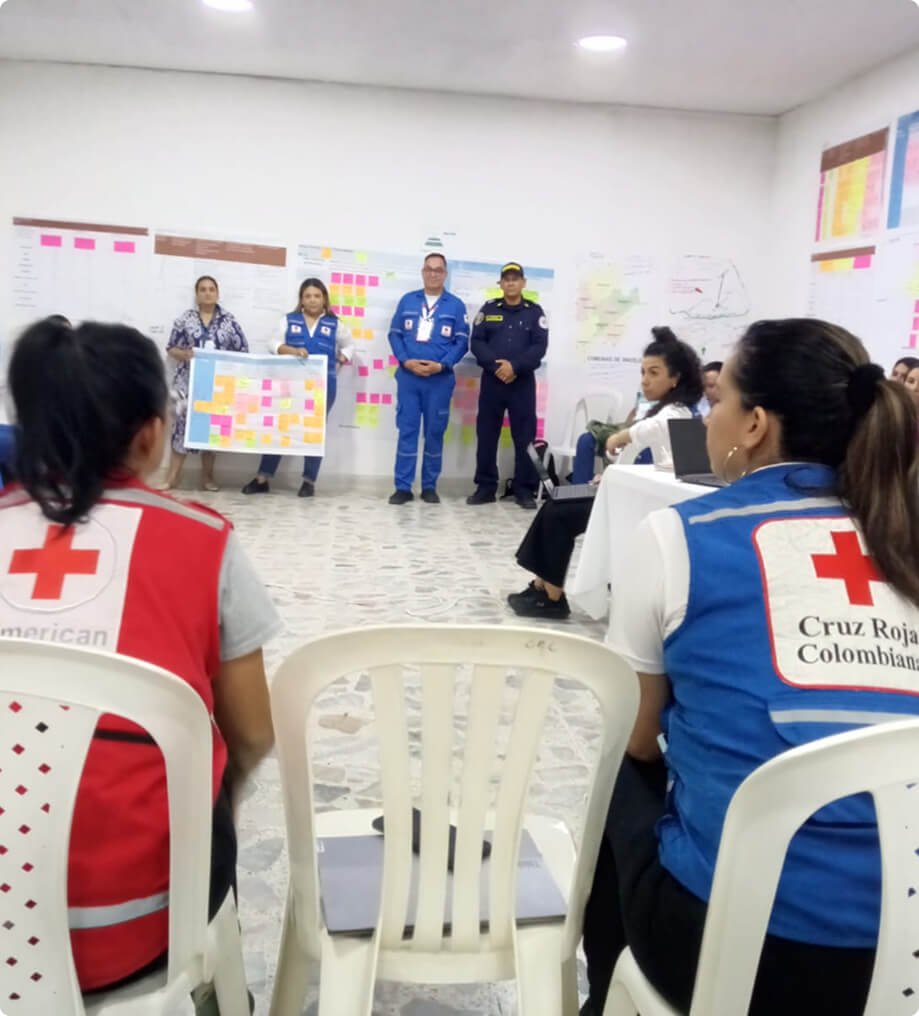
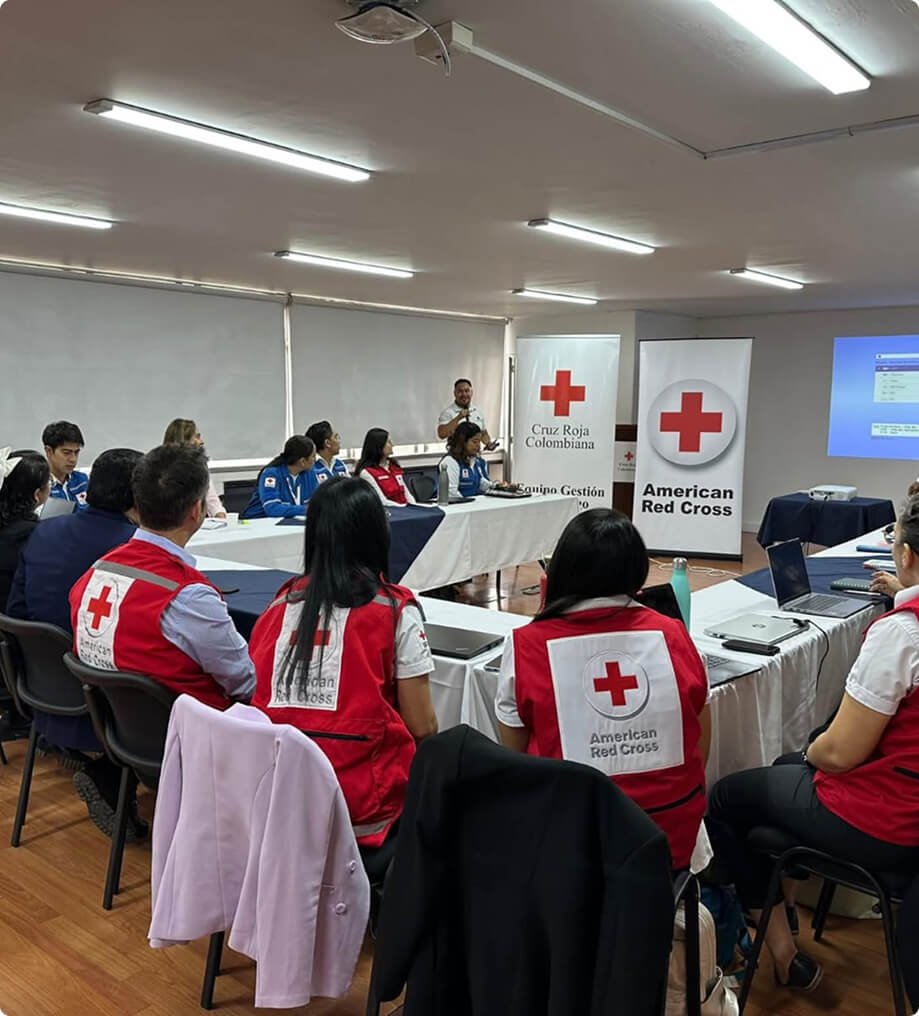
Interim and final lessons-learned workshops; consolidation of PTM work; final line study; standardization of the toolbox and sections; national internal communication campaign; and PTM lessons-learned workshop.
Building local capacity
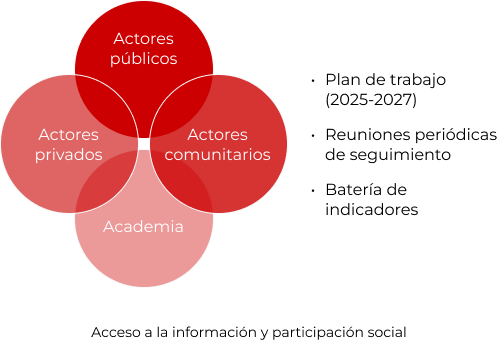
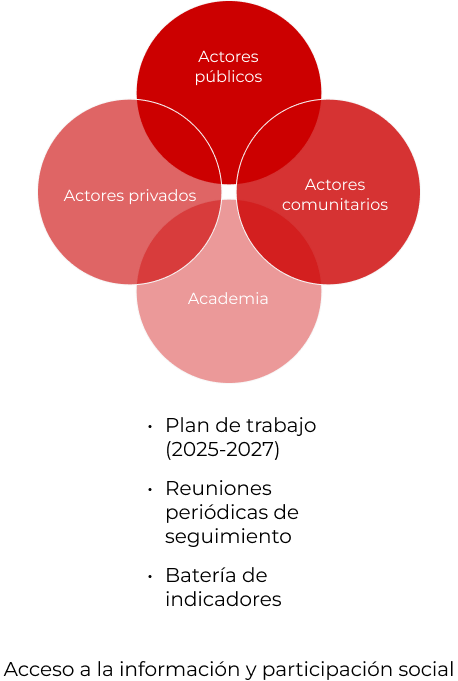
Technical working groups as a mechanism for coordination and sustainability
Impact on public policy and local plans
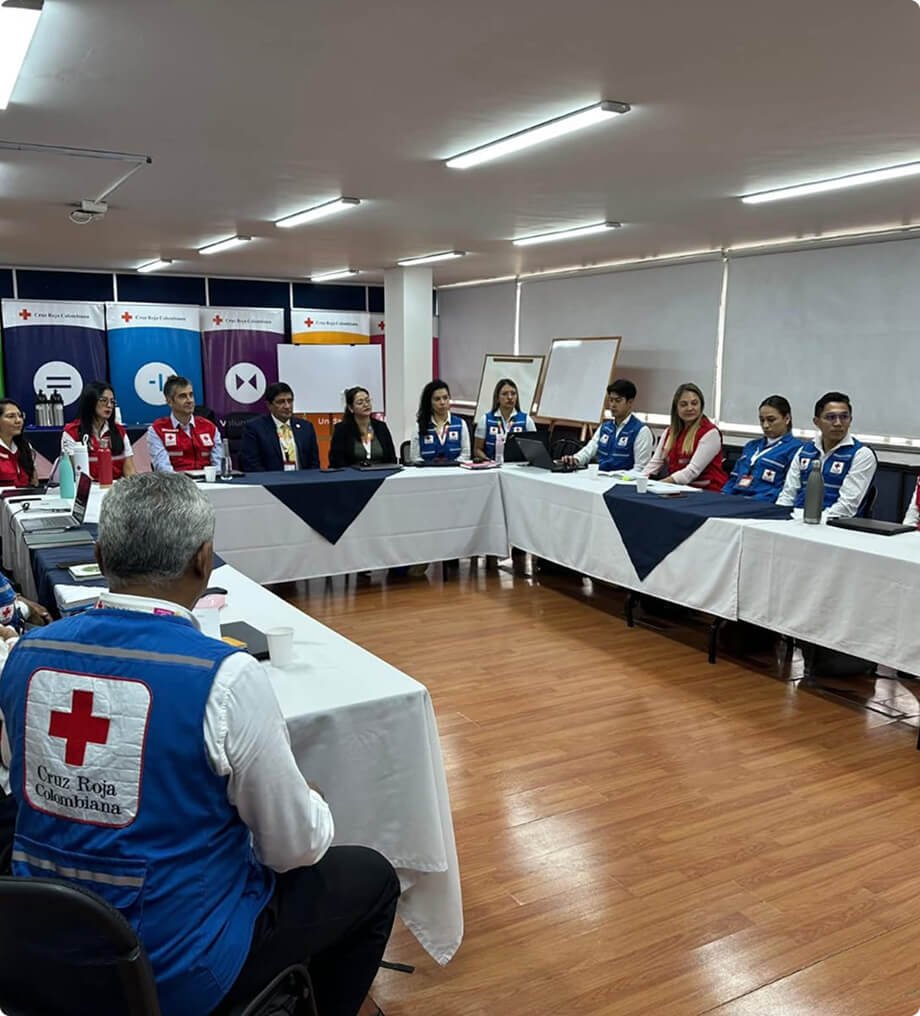
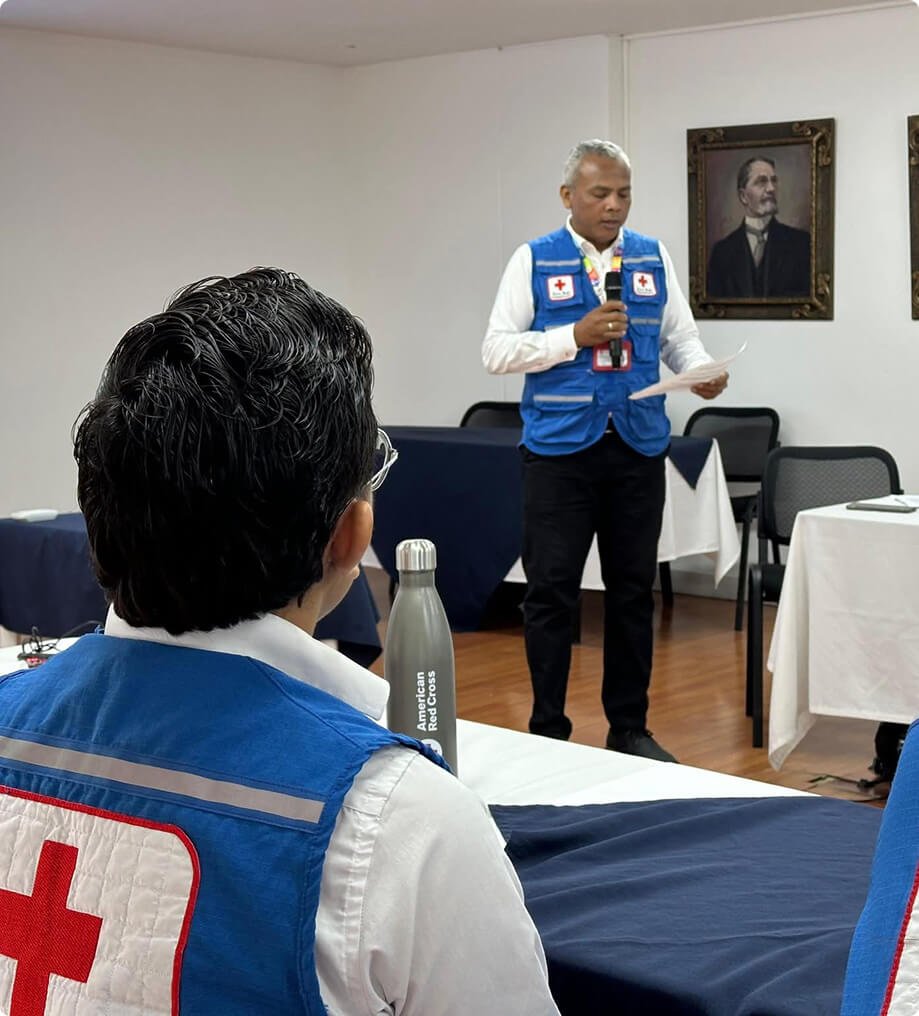
The project strengthens local capacities through training and knowledge transfer, coordinates efforts through permanent technical committees comprising government officials, communities, and the Red Cross, and ensures influence on local public policy, thereby guaranteeing continuity, sustainability, and urban resilience beyond the project’s lifespan.


Cities for Climate Action This project strengthens urban resilience in Neiva and Sincelejo through local initiatives that promote knowledge-sharing, coordinated decision-making, and the co-design of

The Red Cross, the IFRC, and ECHO are focusing their humanitarian efforts at the local level. The meeting in Bogotá highlights the need to strengthen
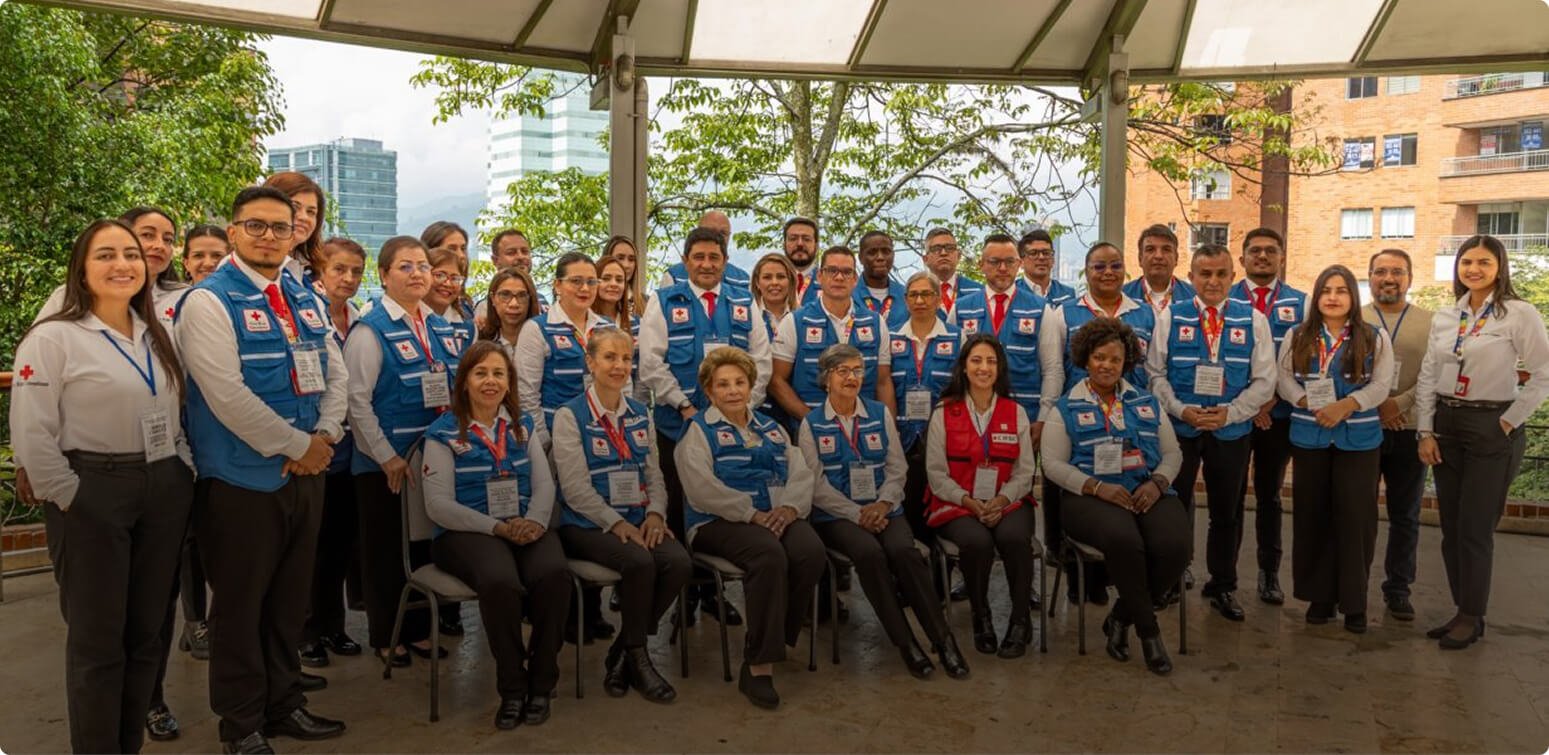
The 2nd Territorial Meeting was held in Medellín, bringing together leaders and volunteers from six regional offices (Antioquia, Cauca, Chocó, Nariño, Norte de Santander, and